
 2 weeks ago
40
2 weeks ago
40
ARTICLE AD BOX
There are few opportunities in the United States for descendants of enslaved Africans to honor their courageous and resilient ancestors who endured the Middle Passage and Transatlantic Slave Trade in a safe space. The challenge of paying homage to those who experienced these horrors while simultaneously lifting them up in a fitting manner is no easy feat.
The New Orleans MAAFA Commemoration has entered the chat.
The annual event was coordinated by Louisiana native Leia Lewis, also known as Queen Leia, and organized through the Ashé Cultural Arts Center in New Orleans. Lewis engaged the center’s founders and NOLA natives, Carol Bebelle and Douglas Redd, to execute the first MAAFA Commemoration. The vision for the MAAFA Commemoration was influenced by the work of St. Paul Community Baptist Church in Brooklyn, which was then led by New Orleans-born Rev. Johnie Ray Youngblood. The word MAAFA is the concept of Marimba Ani, a renowned scholar and author, and has come to be known as a Kiswahili term denoting a “great tragedy” specifically referencing the Transatlantic Slave Trade and the Middle Passage.
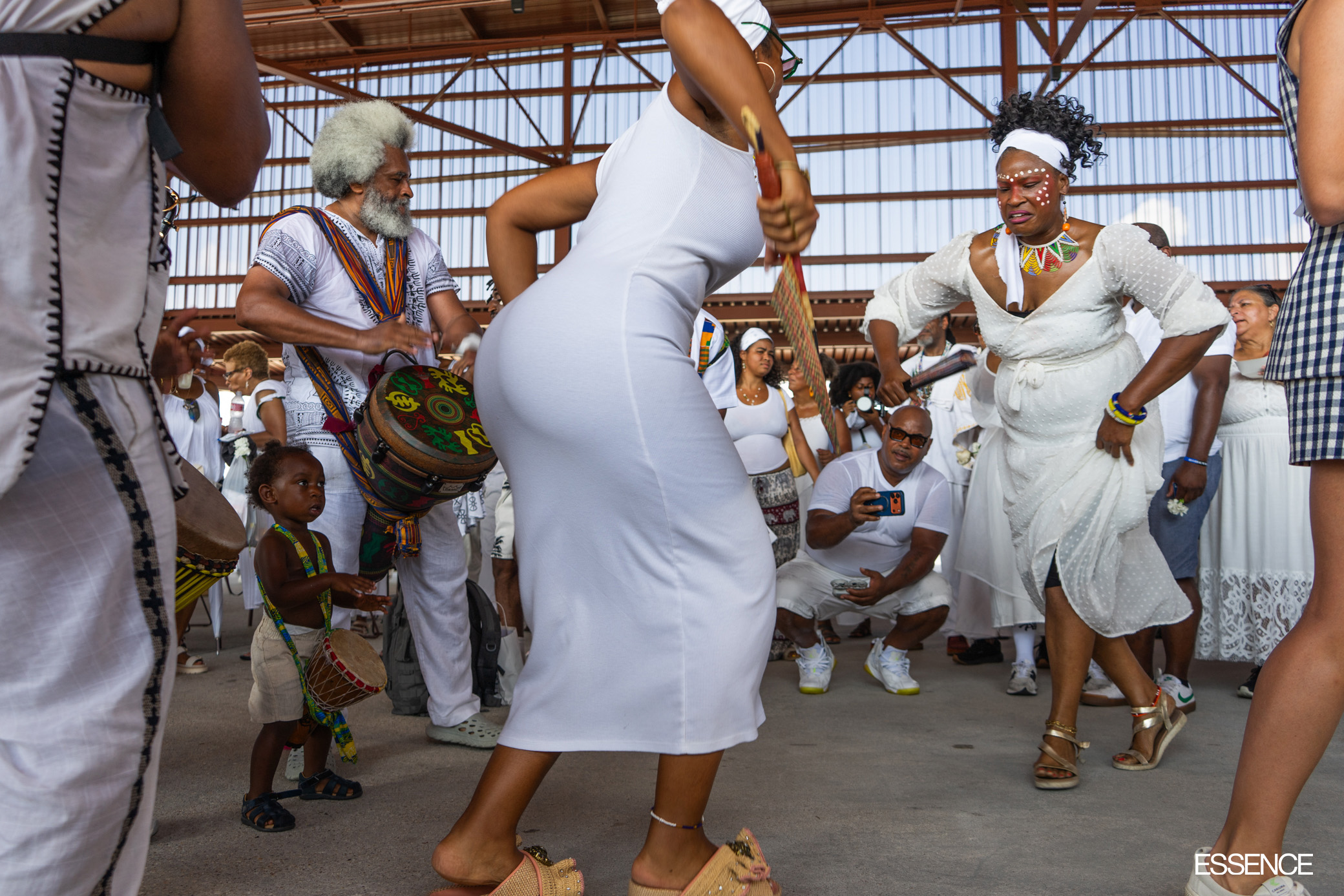 Photo Credit: Sophia Little
Drummers, dancers, artists and activists lead a procession from the legendary Congo Square, through the historic Tremé neighborhood, with a brief stop at St. Augustine Catholic Church, the site of the Tomb of the Unknown Slave. The procession continues through the French Quarter with intentional pauses at historical sites, including those where slave auctions regularly took place. The procession ends at the Mississippi River with drumming, dancing, singing and praying. Some ancestors are also honored by name.
Truly a multi-generational event, all attendees are strongly encouraged to wear all white. The event traditionally takes place on July 4 and this year’s grand griots were New Orleans community changemakers Leona Tate, Ron Bechet and Gail Etienne.
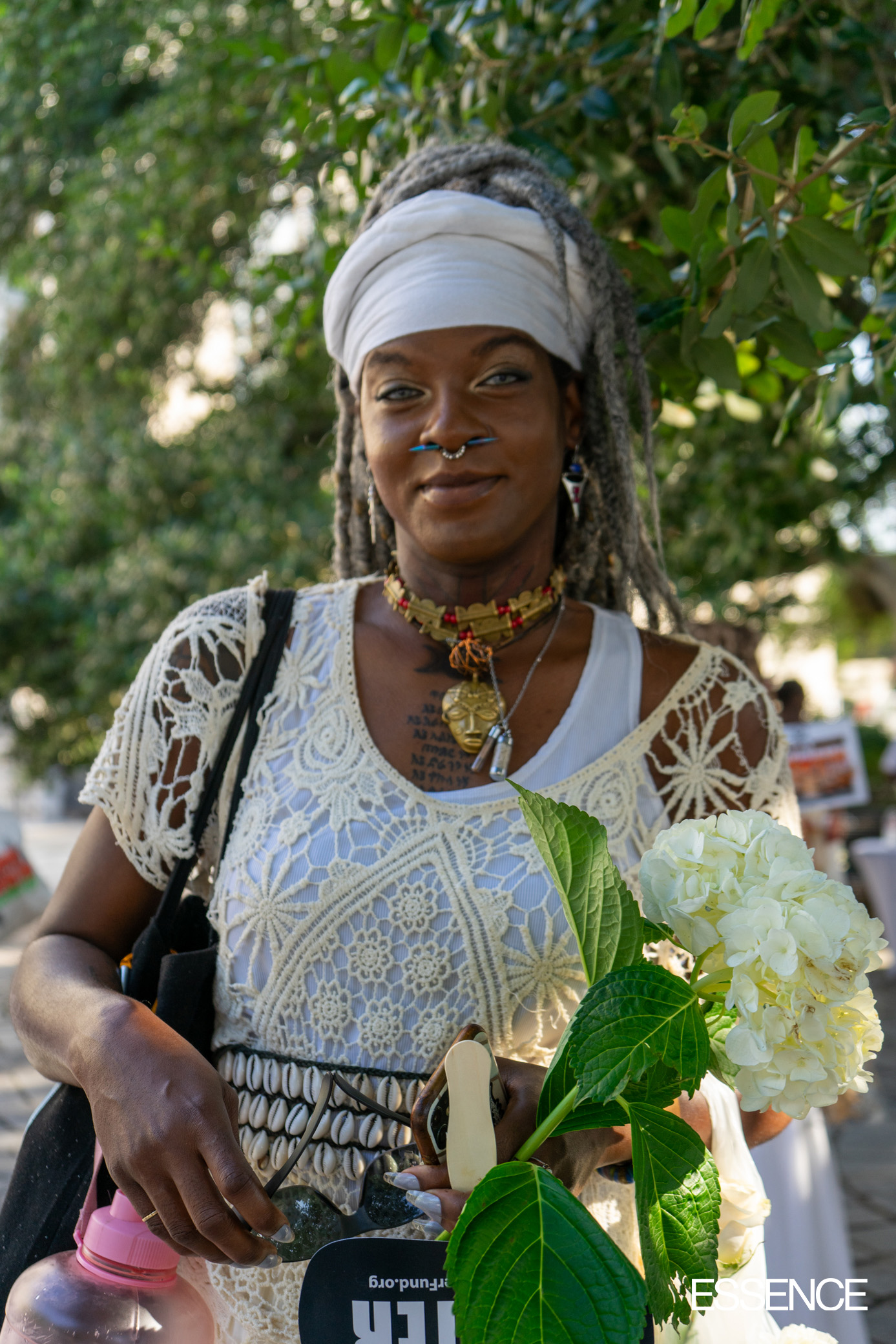 Photo Credit: Sophia Little
Bechet, who has been an art professor at Xavier University of Louisiana shared, “My best MAAFA memories are of my wife and I taking our daughter and later my son’s children to witness the event. We knew that what we could give to them about the history of the middle passage was limited, but what the community together could help them feel about this great loss and trauma is significant. This multi-generational experience caused them to ask questions about their humanity and what they need to do to learn who they are and remember who and how a way was made for them.”
Lucinda Gaddis, Congo Square Preservation Society Board Member and one of this year’s featured MAAFA drummers explains her special connection to the event, “I view Congo Square as sacred ground. Its history connects me to the ancestors of my beloved community. As the starting point for our MAAFA commemorations, it gives context, not only to history but also to our daily struggles. The walk to the [Mississippi] river serves as a metaphor for the hard journey of our ancestors, which can never be forgotten.
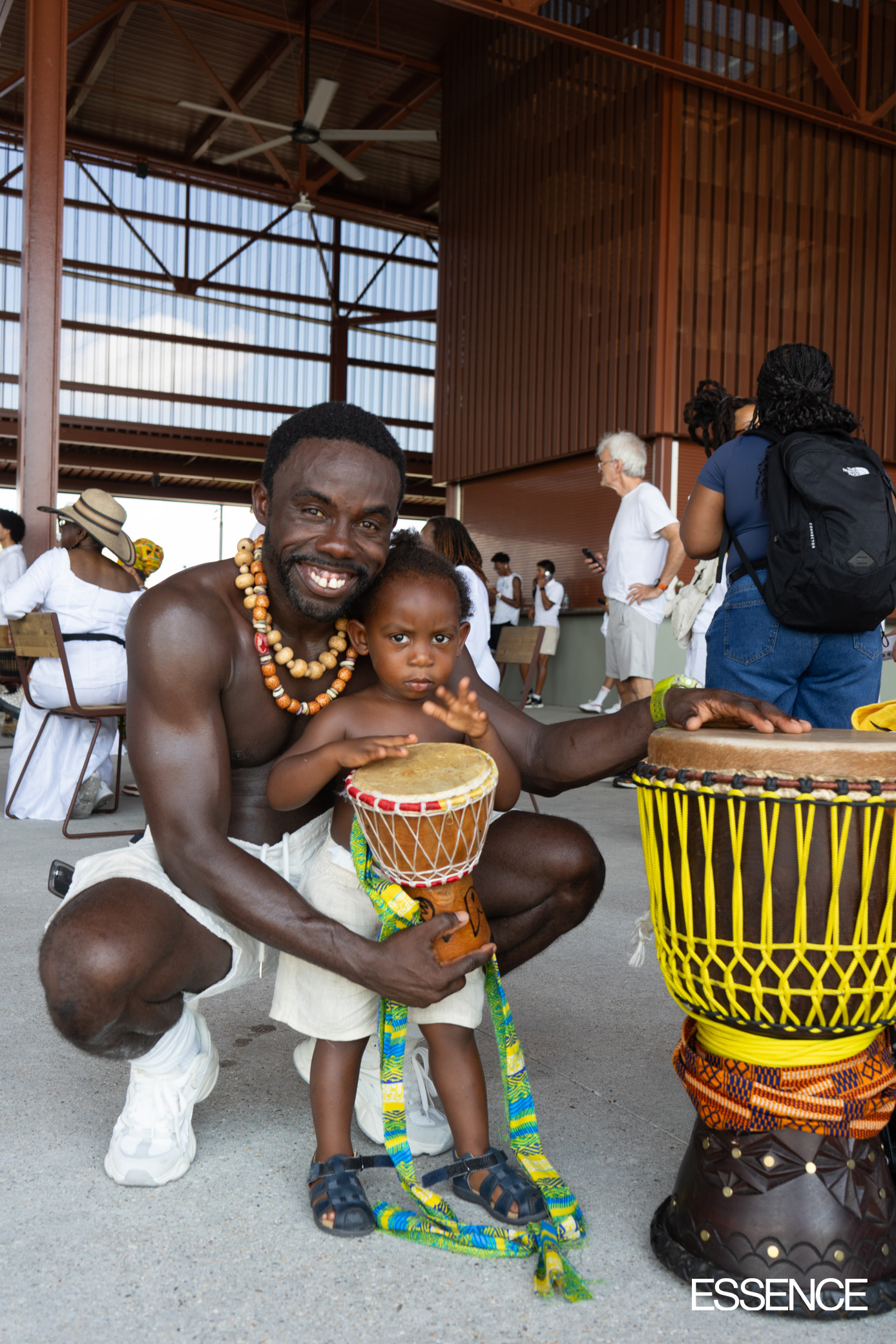 Photo Credit: Sophia Little
Every Sunday I go to Congo Square and first approach the ancestor tree, an ancient oak, to remember and pay homage. Then I drum and dance, also in remembrance. For me, it’s a duty that I embrace. It grounds me to bear the weight of remembrance and then fuels me for right thinking and right action. It’s crucial to who and what I am.”
Our own Art Director Sophia Little captured exclusive imagery of the event in between the ESSENCE Festival of Culture which was taking place nearby at the Ernest N. Morial Convention Center. Little, who currently resides in New York City, has a lifelong tie to MAAFA and thus she knew the event was crucial to share with the world. “As a child I remember attending cultural events in New Orleans and listening to my mother tell the stories of our family and ancestry. It has always been important for me to know and understand the origins of my existence. I have been attending the MAAFA commemoration ceremony for many years. It means so much to me to be able to highlight this event knowing its importance in honoring enslaved ancestors like mine and bring attention to an event that might otherwise be unknown outside of New Orleans.”
View more of Little’s moving images, photographed exclusively for ESSENCE, below.
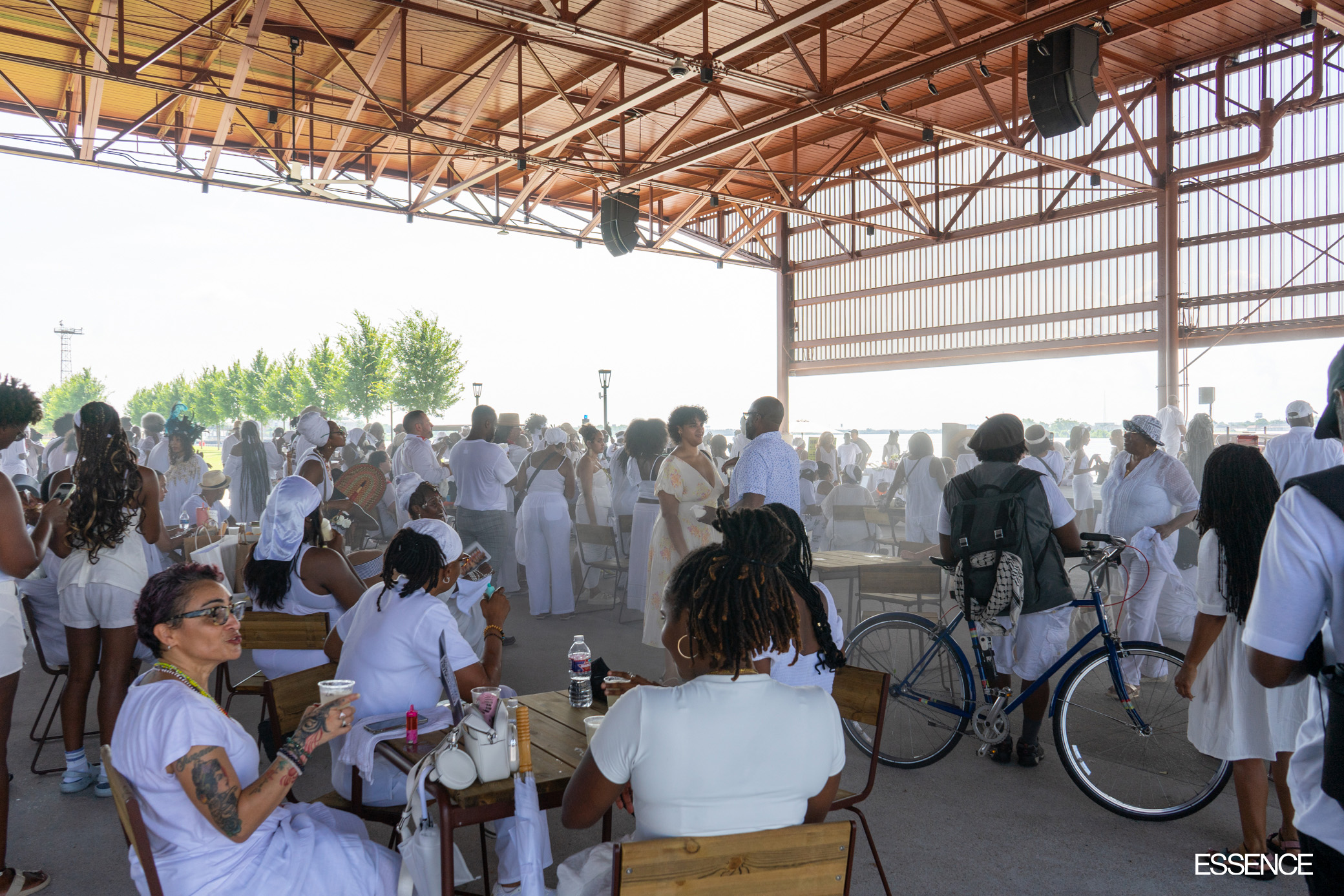 Photo Credit: Sophia Little
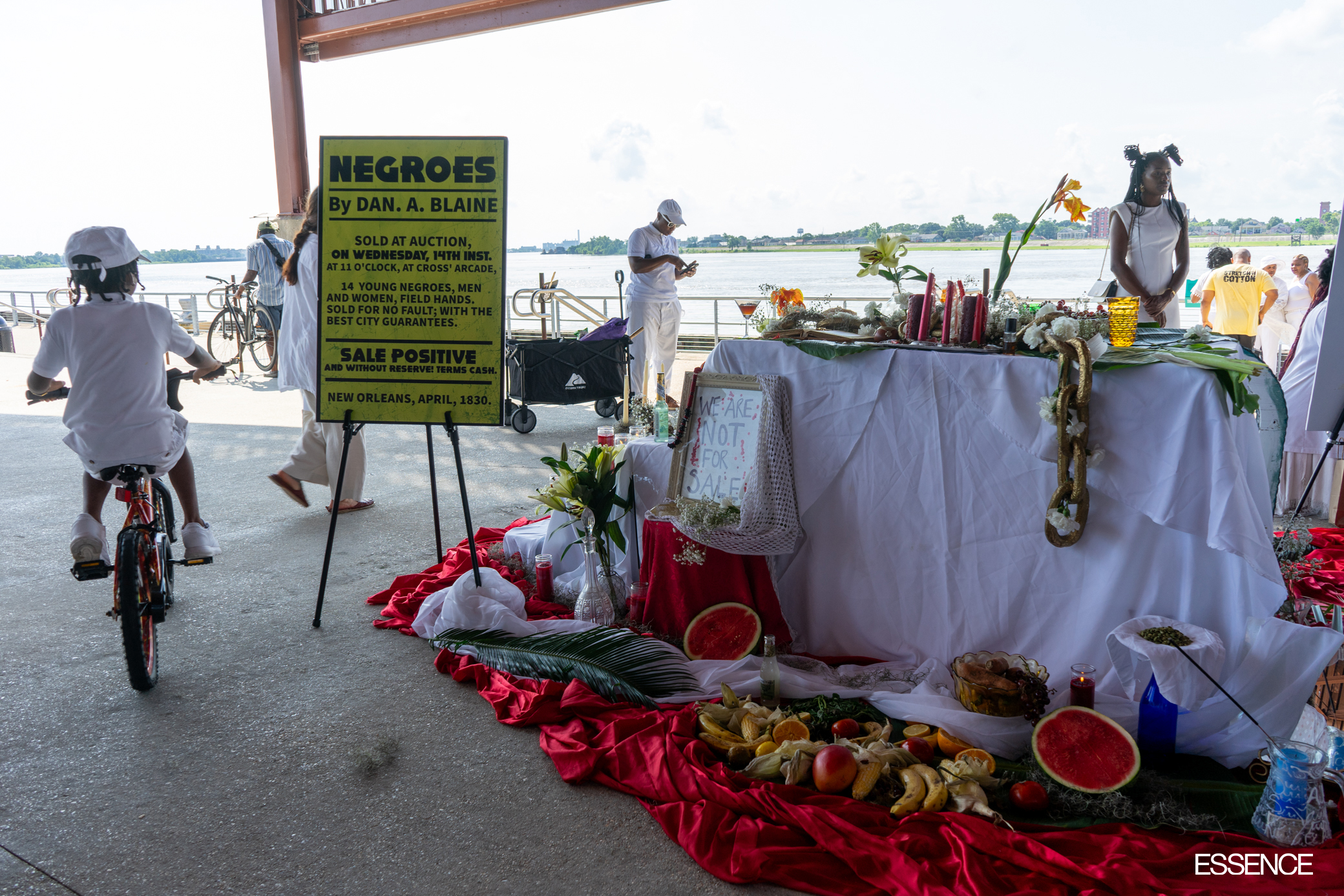 Photo Credit: Sophia Little
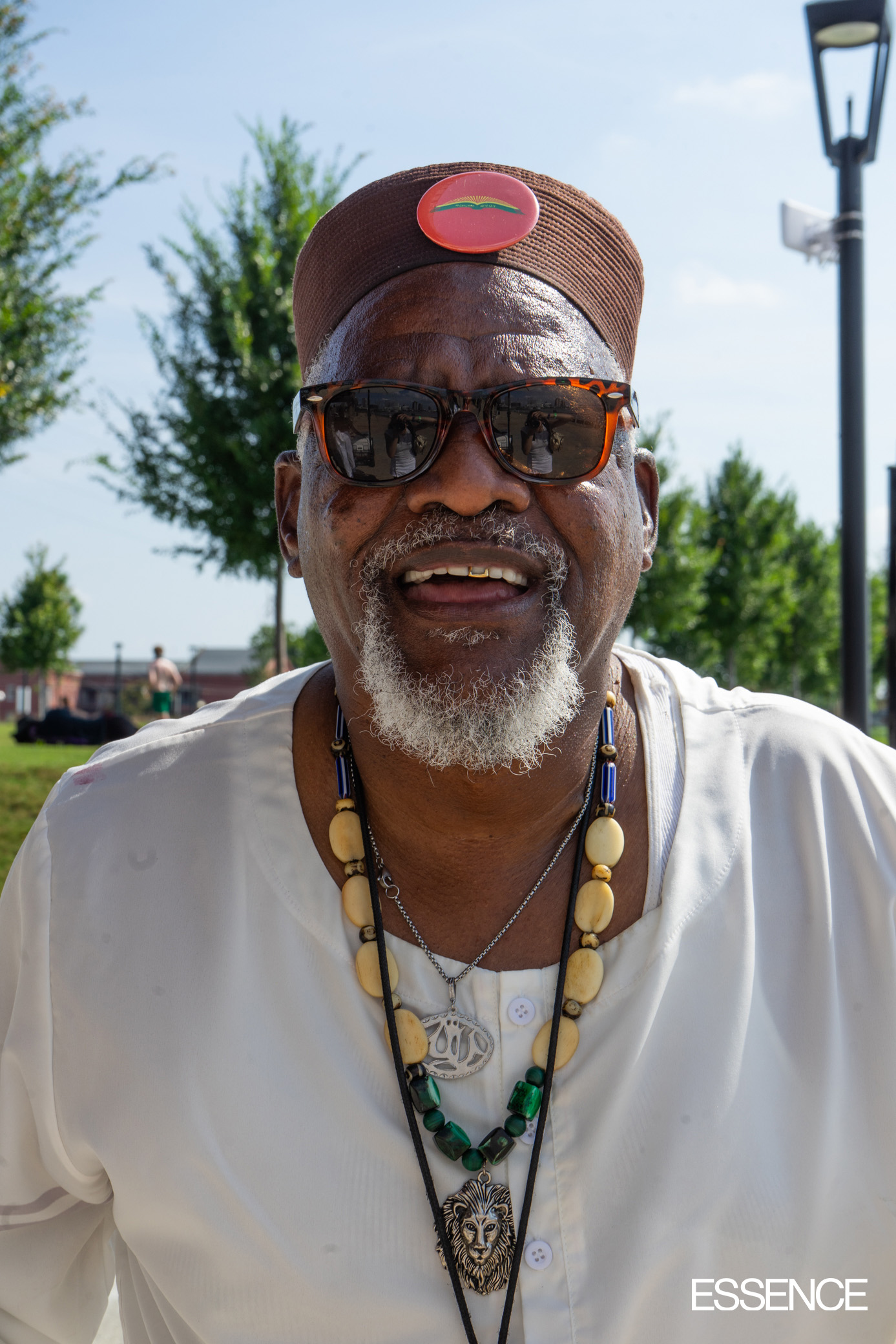 Photo Credit: Sophia Little
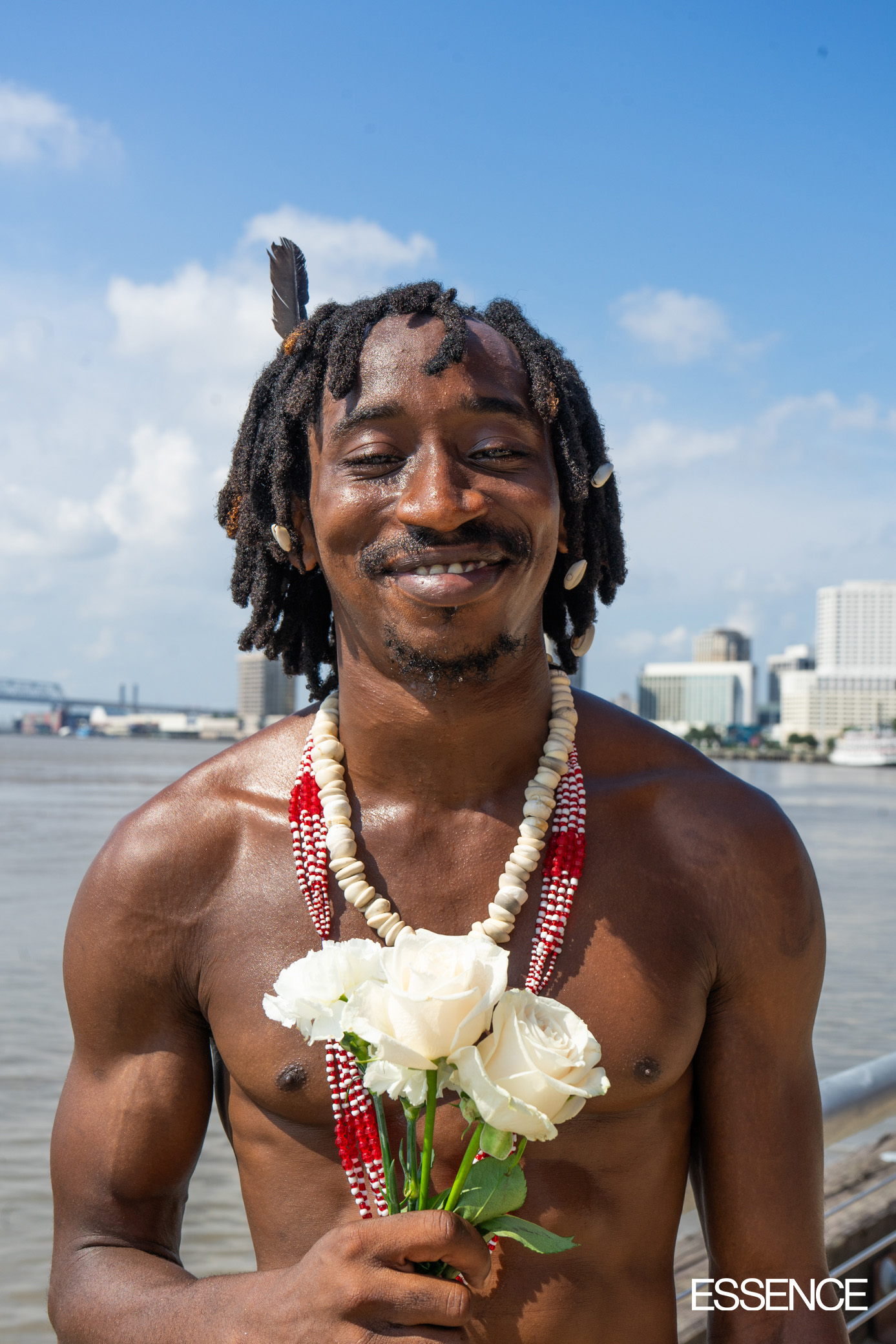 Photo Credit: Sophia Little
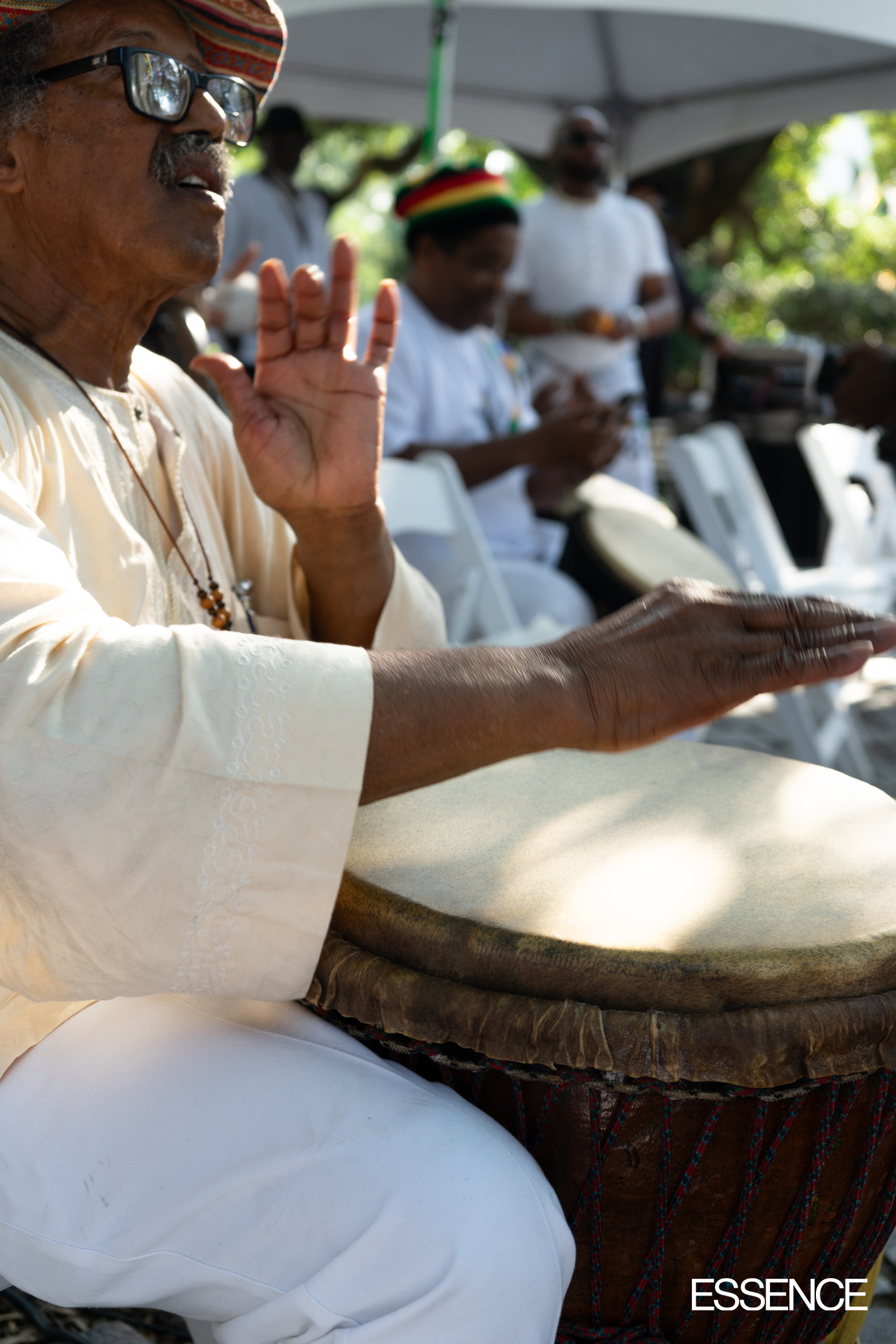 Photo Credit: Sophia Little
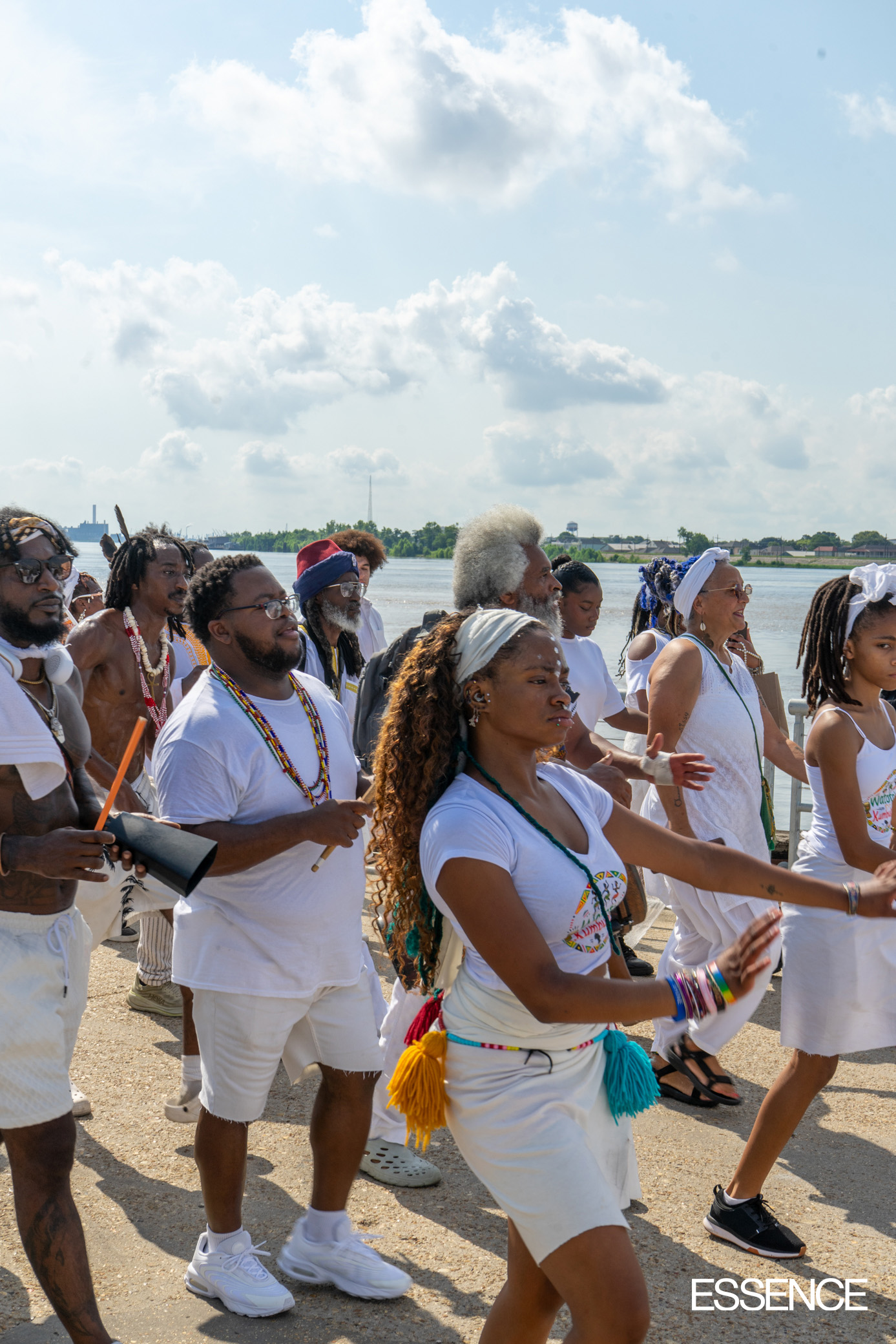 Photo Credit: Sophia Little
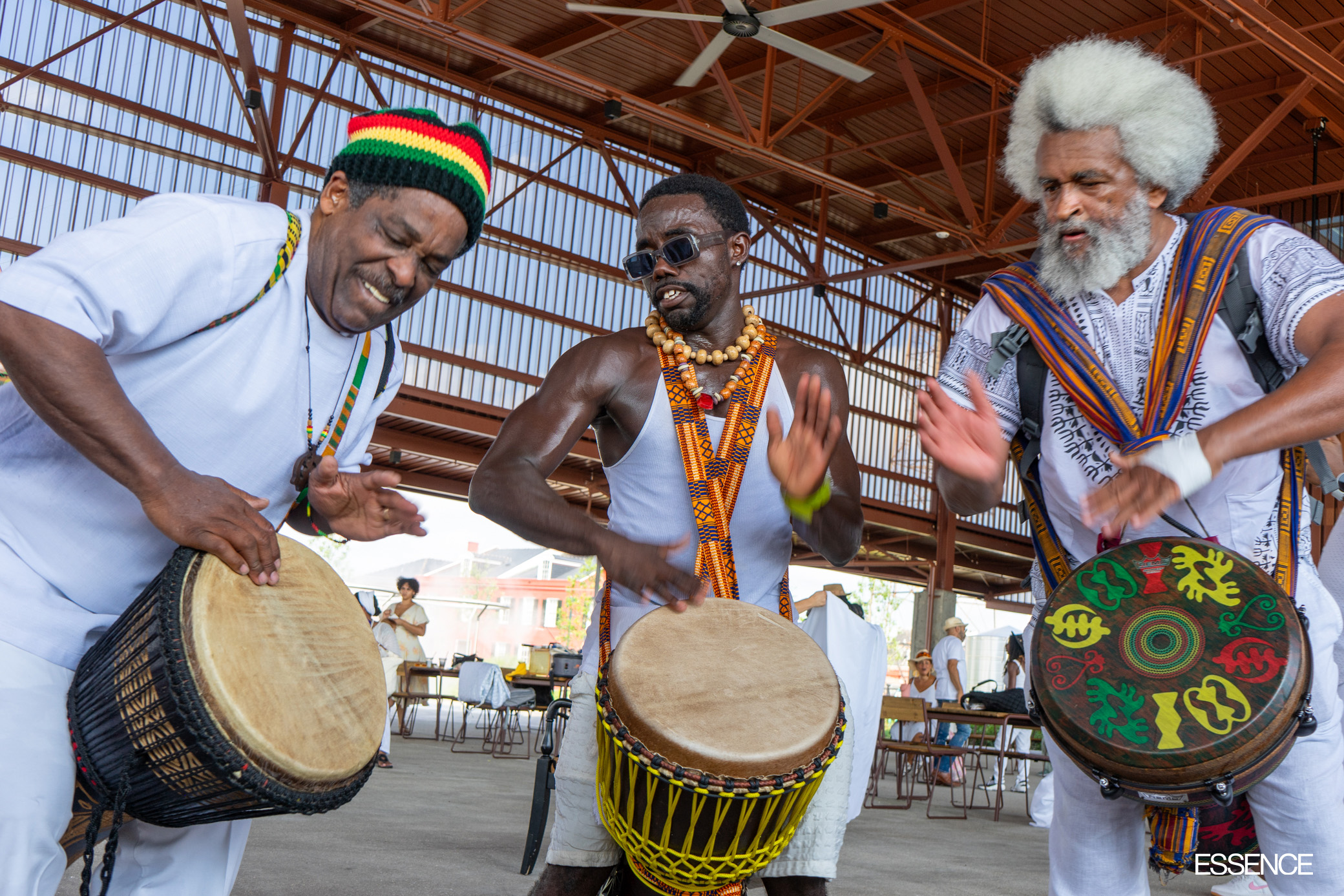 Photo Credit: Sophia Little
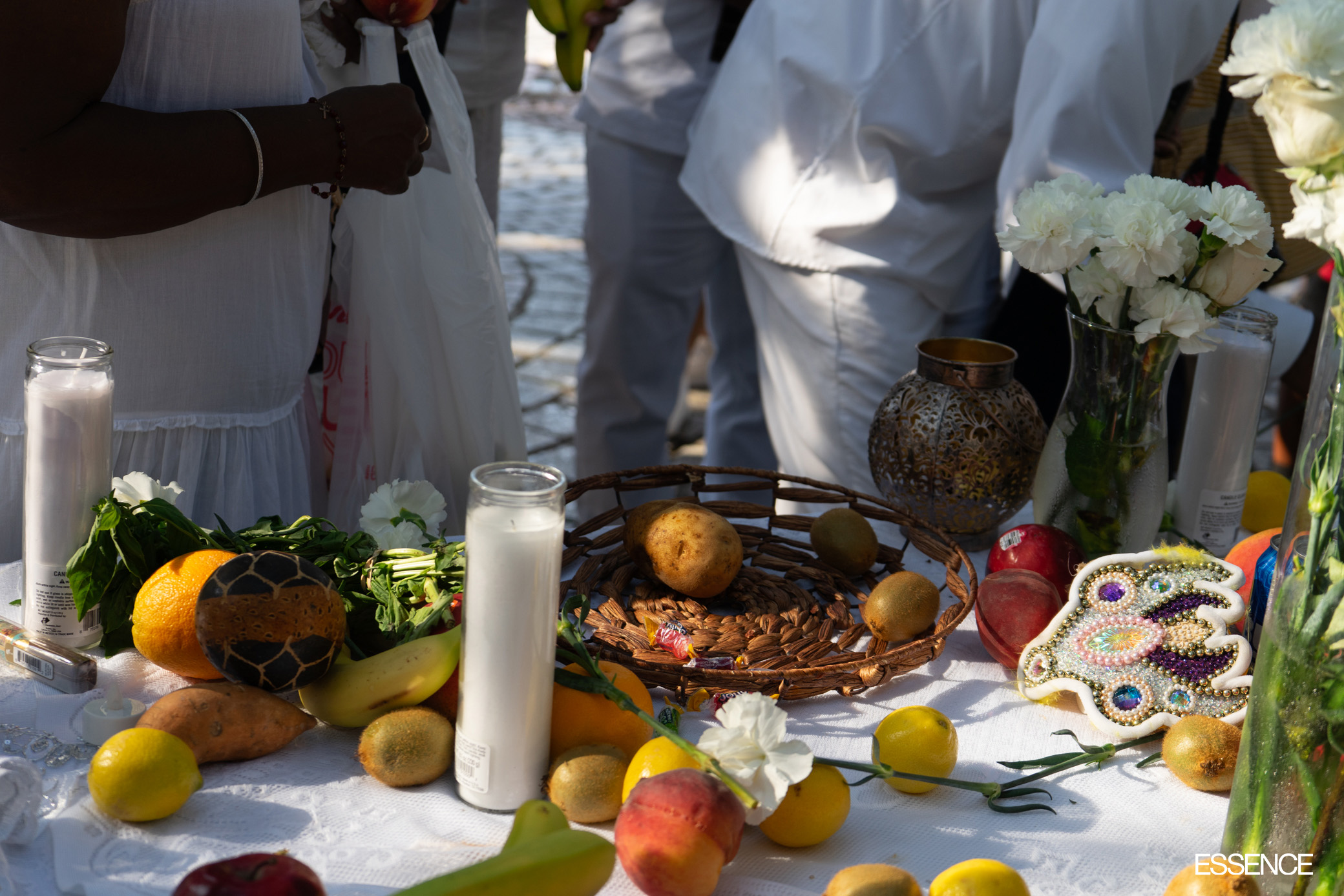 Photo Credit: Sophia Little
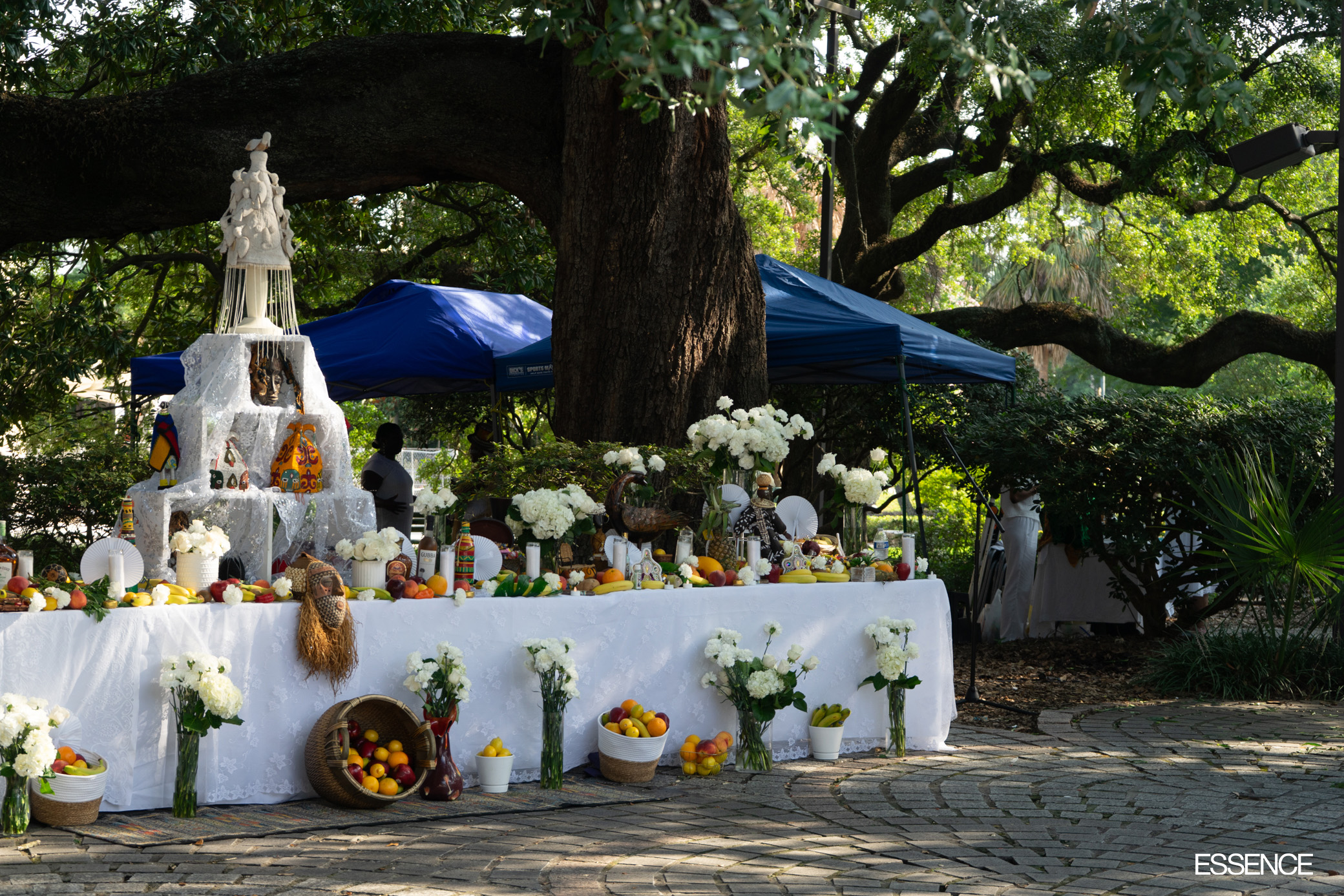 Photo Credit: Sophia Little




 English (US) ·